


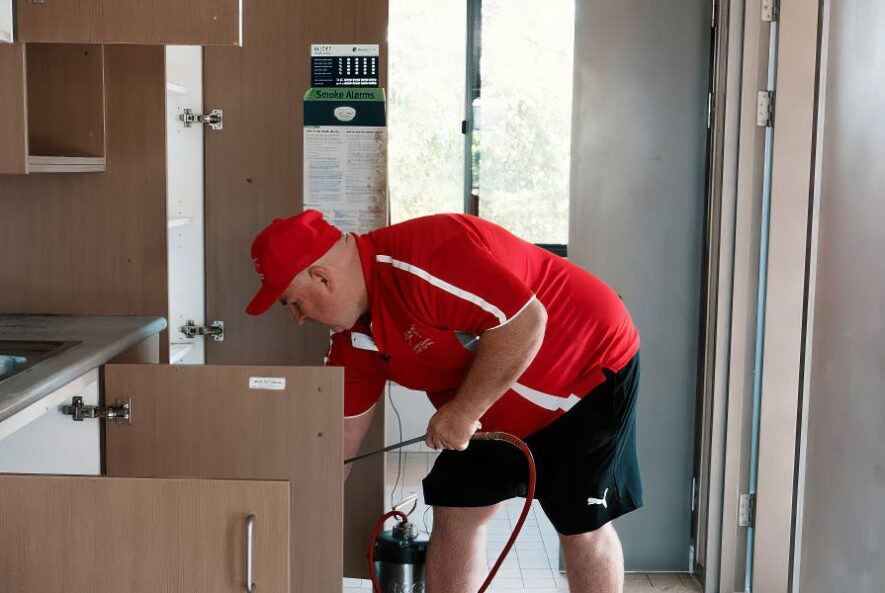
What to Expect from Termite Pest Control in Gold Coast Homes
Termites don’t knock before they enter. One day your Gold Coast home feels secure, the next you’re noticing strange patterns on the skirting boards, hollow-sounding walls, or a door that suddenly doesn’t close right. Behind the scenes, silent destruction is underway—and the damage adds up fast.
That’s where termite pest control services come in. But if you’ve never booked a termite inspection or treatment before, it’s normal to wonder: what exactly happens? What should you expect? And how can you be sure the problem gets sorted for good?
This guide breaks down what you can expect before, during, and after termite pest control in your Gold Coast home. We’ll also cover the value of proper termite treatment and what sets professional termite control Gold Coast services apart.
Why Gold Coast Homes Are High-Risk for Termites
Warm, humid, and coastal—the Gold Coast climate is perfect for termites. Subterranean termite species thrive in this environment, feeding on timber and nesting in damp soil. They love areas with poor drainage, leaking taps, untreated wood, and hidden crawl spaces.
Termites aren’t just a nuisance. They’re a serious threat to your property. In Australia, termites cause more damage to homes than fire, storms, and floods combined—and insurance rarely covers it.
That’s why early detection and effective termite control in services Gold Coast are so important.
Step 1: Booking a Termite Inspection

Most pest control services begin with a thorough inspection. Once you call a termite pest control company, they’ll schedule a visit to assess your home inside and out.
During the inspection, a licensed technician will:
- Examine timber structures, walls, floors, ceilings, and roof cavities
- Check for mud tubes, termite droppings, hollowed timber, and moisture levels
- Use tools like moisture meters, thermal imaging, and sounding devices
- Identify signs of active termites or conditions that may attract them
At the end, you’ll receive a detailed inspection report with findings, risk assessment, and recommended treatment options.
Step 2: Choosing a Termite Treatment Plan
If termites are found—or if your home is at high risk—the next step is treatment. Your technician will recommend the most suitable approach based on the severity of the infestation and layout of your home.
Common termite treatment options include:
1. Termite Baiting Systems
Bait stations are installed around your property to attract and eliminate the colony. It’s a low-toxicity method that works over time by targeting the queen and workers.
2. Chemical Soil Barriers
A trench is dug around the home and filled with a termiticide. This creates a protective barrier that prevents termites from entering. Some treatments last up to 8 years.
3. Direct Chemical Application
For localised infestations, termiticides are injected directly into walls, skirting boards, or active galleries.
4. Foaming and Dusting Treatments
For hard-to-reach spaces, termite-specific foam or dust is used to eliminate colonies inside cavities and voids.
Step 3: During the Termite Treatment Process
Expect a visit that could last anywhere from 1–4 hours depending on the method used. Technicians will ensure your home is safe before they begin, and explain what areas need to be clear.
Most treatments are safe for pets and families, but you might be asked to vacate the premises during application.
Good termite control companies provide clear instructions for:
- Pre-treatment preparations
- Ventilation requirements
- Post-treatment safety precautions
Step 4: Aftercare and Long-Term Monitoring
Termite treatment doesn’t end after application. Reputable companies will schedule follow-up inspections and offer ongoing monitoring systems to ensure the infestation is fully resolved.
They may recommend installing in-ground bait stations or annual check-ups to keep termites away for good.
You’ll also get maintenance advice like:
- Reducing soil-to-wood contact
- Repairing leaks or drainage issues
- Keeping gardens and timber away from the home’s perimeter
How to Choose the Right Termite Pest Control Gold Coast Provider
Not all pest control services are equal. Here’s what to look for:
- Licensing and Insurance: Only work with licensed, fully insured professionals.
- Local Expertise: Choose a company that knows Gold Coast conditions.
- Clear Communication: Look for transparency about costs, products, and procedures.
- Warranties or Guarantees: Some termite treatments come with warranties of up to 8 years.
- Trusted Reviews: Check ratings, client testimonials, and trade accreditation.
Cost of Termite Pest Control in Gold Coast
Prices vary based on property size, treatment type, and infestation severity. Expect:
- Inspection reports: $200–$300
- Baiting systems: $2,500–$3,500
- Soil barriers: $1,500–$4,000
- Localised treatments: $300–$900
Many companies offer bundled inspection and treatment packages, and some provide payment plans.
Final Thoughts
Dealing with termites might feel overwhelming, but knowing what to expect makes all the difference. With the right termite pest control team, you can protect your property, your finances, and your peace of mind.
The key is not waiting. The earlier you act, the more damage you prevent—and the less you spend.
Need help now? Contact a licensed termite control in Gold Coast specialist today to book your inspection. Don’t let silent invaders chew through your investment.
Schedule a termite check, explore your termite treatment Gold Coast options, and protect your home the smart way.
Frequently Asked Questions (FAQ)
Are termite treatments safe for pets and kids?
Yes. Most professional treatments are low in toxicity and applied with safety in mind.
How long does termite treatment last?
Chemical barriers can last 5–8 years. Baiting systems require ongoing monitoring.
Do I need annual termite inspections?
Yes. Gold Coast homeowners are encouraged to book yearly inspections to stay protected.
Is termite treatment covered by insurance?
Usually not. That’s why prevention and early detection are essential.
Can I treat termites myself?
DIY methods are rarely effective. Professional termite control ensures full eradication and prevention.