


- December 10, 2025
- Water Damage Restoration
What To Do in the First 60 Minutes of Water Damage in Gold Coast Homes
Water emergencies can happen suddenly, and when they do, the first hour is critical. Acting quickly helps reduce structural damage, slow the spread of moisture and support a smoother process of water damage restoration in Gold Coast homes. With the region’s weather conditions, plumbing issues and unexpected indoor leaks, understanding the right steps to take immediately can make a significant difference.
The information below outlines safe, realistic actions homeowners can take in the first 60 minutes after discovering water damage, based on practical responses and the type of services Big Red Gold Coast provides.
Why the First 60 Minutes Matter
Water moves faster than most people expect. It can flow through flooring, wall cavities and insulation within minutes. Increased humidity affects nearby rooms, even if they appear dry. Porous materials like timber, fabrics and plasterboard begin absorbing moisture shortly after exposure.
This early phase is the most important time to reduce long-term impact. Quick action helps minimise structural deterioration, lowers the risk of mould growth and assists professionals during later stages of restoration.
Ensure Safety First
Before touching or moving anything, always assess safety. Water near electrical points creates a major risk. If you can safely reach your home’s main switchboard, turn off the electricity. If standing water blocks your path to the switchboard, do not attempt to reach it.
Look for signs of risk such as:
- Wet electrical appliances
- Slippery surfaces
- Sagging ceilings
- Water near wiring
Move children and pets away from the affected area. If anything indicates serious risk, wait for a qualified professional.
Stop or Reduce the Water Source
Once you have addressed immediate safety concerns, try to locate the source of the water. For internal issues like burst pipes or leaking appliances, turning off the main water supply can prevent further damage.
When external flooding or stormwater is involved, the goal is to slow water entry. Using towels, absorbent materials or placing buckets under dripping areas can help temporarily reduce flow.
Even simple steps make a noticeable difference in preventing further spread.
Protect and Move Belongings
Water can cause quick damage to personal items. Focus on things that are most vulnerable to moisture, such as soft furnishings, books, cushions, documents and unplugged electronics.
Move light items to a dry space. For heavy furniture that cannot be lifted, place blocks or foil underneath the legs to keep them off the wet floor. Only move items if it is safe and manageable.
Start Containing the Water
You may not be able to remove all water, but you can stop it from spreading further. Absorb standing water with towels or use a mop to gather puddles. Avoid using electric fans near wet areas until you know the environment is safe.
Containment is the goal at this stage, not full drying. These early steps help reduce secondary damage before professionals can begin their assessment.
Document the Damage Thoroughly
Good documentation is helpful for insurance purposes and provides clear information to restoration teams. Capture photos and videos of:
- All affected rooms
- Damaged belongings
- Water stains
- Any visible moisture on walls, floors or ceilings
Take shots from different angles to ensure nothing is missed. Documentation also helps track changes as the situation evolves.
Ventilate the Area Safely
Good airflow helps slow moisture buildup, but ventilation should only be used if conditions are appropriate. If the weather is dry, open windows and doors to encourage air movement. Cross-ventilation can help lower humidity.
If outdoor humidity is high due to storms, ventilation may not be effective. In such cases, allow professionals to determine the best drying method once they arrive.
Know When to Call Professionals
Some water situations are too extensive or unsafe for homeowners to manage alone. Contact a professional if any of the following occur:
- Moisture is inside walls, ceilings or subfloors
- Visible signs such as bubbling paint or warped materials appear
- Stormwater or dirty water is present
- There is strong odour within hours of the incident
- Mould begins to appear
- You cannot find or stop the source of the water
- Large areas remain wet despite early drying attempts
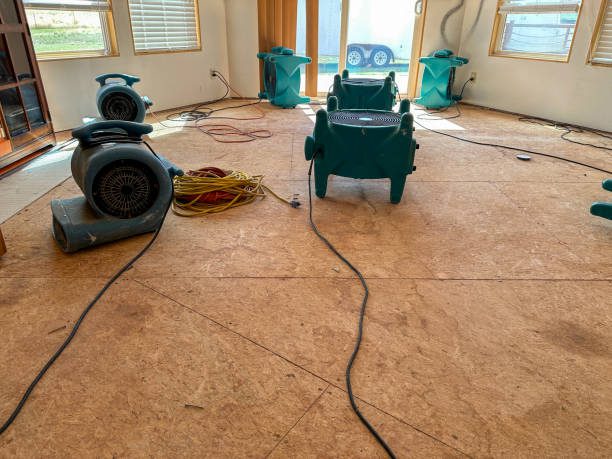
Specialists use moisture meters, extraction tools and drying equipment to restore the affected spaces safely.
Tasks Homeowners Can Handle vs What Professionals Manage
| Task Type | Homeowner Actions (First Hour) | Professional Actions |
| Safety | Switch off power if safe, avoid hazards | Structural and electrical checks |
| Water Source | Turn off main valve, basic blocking | Identify hidden leaks or pathways |
| Water Removal | Mopping and towel drying | Commercial-grade extraction |
| Drying | Light ventilation | Full structural drying |
| Recording Damage | Photos and videos | Detailed reporting |
| Moisture Detection | Visual check only | Moisture meters and thermal tools |
Long-Term Effects of Delayed Response
Ignoring water damage can lead to issues long after the initial incident. Floors may warp, plasterboard may weaken and structural timber can absorb moisture. In a humid climate like the Gold Coast, damp conditions can encourage mould growth within 24 to 48 hours.
Other long-term issues may include:
- Persistent smells
- Staining on walls or ceilings
- Damage to internal materials
- High repair costs later
Immediate action avoids costly repairs and helps create a safer environment for restoration.
Conclusion
The first hour after discovering water damage is crucial for reducing long-term issues. By focusing on safety, stopping the water at its source, protecting your belongings, documenting the damage and preventing the moisture from spreading, you create the best conditions for an effective restoration process. If you need help beyond these initial steps or the situation becomes more complex, you can contact us for further support as you move into the restoration stage.
FAQs
What if I cannot find where the water is coming from?
Turn off the main water supply. If water continues entering the home, the issue may be external or hidden.
How quickly can mould begin to form?
Mould can develop within 24 to 48 hours under damp conditions.
Should I repair water-damaged walls myself?
Moisture behind walls requires specialised tools to detect. Professional assessment is recommended.
Is ventilation always a good idea?
Not always. When humidity is high, it may not help. It depends on weather conditions.
Can small leaks cause long-term damage?
Yes. Small leaks can enter cavities, flooring and timber, cause long-lasting issues if ignore.