

How Professional Water Damage Restoration Saves Your Property
Water damage can strike any home or business without warning, whether from a burst pipe, flooding, roof leaks, or an overflowing appliance. Beyond the immediate disruption, the lasting effects can compromise structural integrity and lead to mould growth, property deterioration, and costly repairs.
Professional water damage restoration is not just about drying surfaces; it involves a comprehensive approach to assessing, cleaning, and restoring affected areas to a safe and stable condition.
In this article, we explore how expert restoration specialists protect your property, why prompt action is crucial, and what steps the restoration process typically involves. We will also consider long-term prevention strategies to reduce the risk of water damage recurring in the future.
Understanding Water Damage and Its Impact
Water damage is one of the most common and costly problems property owners face. It can occur suddenly, such as during a storm or burst pipe, or develop gradually over time through unnoticed leaks. Regardless of how it begins, the effects of water intrusion can be extensive—impacting structural materials, indoor air quality, and even the long-term safety of your home or business.
What Is Water Damage?
Water damage refers to any form of destruction or deterioration caused when water intrudes into a building’s structure or materials. It may originate from clean sources such as leaking pipes or contaminated water from sewage backups and storm flooding. While minor leaks may seem manageable, even small amounts of water can seep into flooring, walls, and insulation, creating hidden issues that worsen over time.
Common Causes of Water Damage
Understanding how water damage occurs helps homeowners and property managers take preventive measures. Some of the most frequent causes include:
- Burst or leaking pipes: Often caused by pressure changes, corrosion, or freezing conditions.
- Roof leaks: Damaged tiles, poor sealing, or blocked gutters can allow rainwater to enter.
- Appliance malfunctions: Washing machines, dishwashers, or water heaters can fail unexpectedly.
- Flooding and storms: Heavy rain, blocked drains, and poor ground drainage can cause flooding.
- Sewage backflow: Contaminated water can enter through drains or toilets, posing health risks.
The severity of water damage depends on how long the water remains before restoration begins. Swift response is vital to minimise structural weakening and prevent secondary damage.
Why Prompt Water Damage Restoration Matters
Delaying restoration can transform a minor leak into a major structural issue. When water is left unattended, it penetrates deep into porous materials such as plaster, wood, and insulation. Over time, this leads to:
- Mould and mildew growth: Mould can begin to develop within 24 to 48 hours in damp environments.
- Warped or weakened structures: Timber floors and wall frames can swell, rot, or warp.
- Electrical hazards: Water exposure can damage electrical wiring and increase the risk of short circuits.
- Unpleasant odours and poor indoor air quality: Dampness creates lingering smells and unhealthy air.
By contacting trained professionals immediately, you ensure that drying, cleaning, and repairs begin before these complications escalate. Timely water damage restoration not only saves money but also preserves your property’s safety and value.
The Professional Water Damage Restoration Process
Professional restoration follows a structured process designed to assess, treat, and restore affected areas safely and efficiently. The following stages outline what homeowners can expect when engaging a specialist service such as Big Red Gold Coast.
1. Initial Inspection and Damage Assessment
The restoration team begins with a thorough inspection to determine the source and extent of the water damage. Advanced moisture detection tools such as thermal cameras and hygrometers are used to identify hidden dampness behind walls and under floors. This assessment helps classify the damage and guides the most suitable restoration strategy.
2. Water Extraction and Removal
Using high-powered pumps and vacuums, technicians extract standing water from affected areas. Quick removal prevents further absorption and reduces drying time. Depending on the volume of water, industrial-grade extraction equipment may be used to handle large-scale flooding efficiently.
3. Drying and Dehumidification
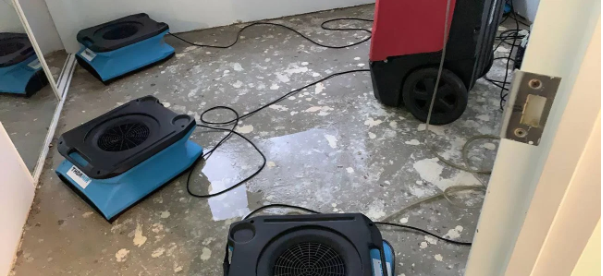
After visible water is removed, residual moisture remains trapped in building materials. Dehumidifiers and air movers are strategically placed to dry walls, floors, and furniture. This step can take several days, and humidity levels are carefully monitored to ensure all moisture is eliminated, preventing future mould formation.
4. Cleaning and Sanitisation
Water intrusion often introduces bacteria and contaminants, particularly when caused by grey or black water sources such as sewage. Professionals thoroughly clean, disinfect, and deodorise all affected surfaces using antimicrobial treatments. Carpets, upholstery, and personal items are also sanitised or disposed of safely if necessary.
5. Repairs and Restoration
Once the property is clean and dry, structural repairs begin. This may include replacing plasterboard, flooring, insulation, or repainting walls. Skilled technicians ensure the building returns to its pre-loss condition, structurally sound and aesthetically restored.
The Role of Professional Expertise
While it might be tempting to tackle minor water damage using household fans or dehumidifiers, professional restoration provides a level of precision and safety that DIY methods cannot achieve. Experts have access to advanced technology and training that allows them to:
- Detect hidden moisture invisible to the naked eye.
- Identify contaminated water and apply appropriate cleaning protocols.
- Prevent mould growth through controlled drying and antimicrobial treatments.
- Restore property efficiently, reducing overall repair costs.
Certified restoration professionals follow industry standards, ensuring each stage of the process meets safety regulations and insurance requirements. This professional oversight gives homeowners peace of mind that their property is restored properly and permanently.
Health Risks Associated with Untreated Water Damage
Ignoring water damage poses serious health risks. Mould spores, bacteria, and allergens thrive in damp environments, triggering respiratory problems, allergies, and skin irritations. Prolonged exposure can worsen conditions such as asthma and lead to chronic health issues, particularly for children and older adults.
Additionally, stagnant water can attract insects and rodents, further compromising living conditions. Professional water damage restoration eliminates these hazards by ensuring thorough drying, cleaning, and sanitisation.
Preventive Measures to Reduce Future Water Damage
Prevention is always better than restoration. While not all incidents are avoidable, proactive maintenance can significantly reduce the likelihood of water intrusion. Consider the following steps to protect your property:
1. Regular Inspections
Inspect plumbing systems, roofs, and gutters at least twice a year. Early detection of leaks or blockages helps prevent larger problems.
2. Proper Drainage
Ensure downpipes and drainage systems are clear and direct water away from your building’s foundation. Poor drainage often contributes to basement flooding and structural dampness.
3. Appliance Maintenance
Regularly check washing machine hoses, dishwasher seals, and water heaters for signs of wear or leaks. Replacing small components can prevent major failures.
4. Adequate Ventilation
Proper airflow in kitchens, bathrooms, and laundry rooms helps reduce moisture accumulation and mould growth.
5. Install a Water Detection System
Smart sensors can detect leaks early, sending alerts to your phone or alarm system. This technology offers peace of mind, especially for homeowners who travel frequently.
6. Insulate Pipes
During colder months, pipe insulation prevents freezing and bursting, a common cause of water damage in residential properties.
Insurance and Documentation
When water damage occurs, documenting every step of the incident is essential for insurance claims. Take photographs before, during, and after restoration work. Keep records of professional assessments, receipts, and any repairs undertaken. Reputable restoration companies can provide detailed reports to support your claim and liaise directly with insurers to simplify the process.
Why Choose Certified Restoration Professionals
Choosing a qualified and experienced restoration company ensures the job is completed safely and effectively. Certified professionals adhere to established industry standards such as the Institute of Inspection, Cleaning and Restoration Certification (IICRC) guidelines. Their expertise extends beyond drying; they understand building science, materials behaviour, and health safety protocols.
Working with professionals also offers additional benefits:
- Accurate identification of the water source.
- Complete moisture mapping and monitoring.
- Safe handling of contaminated materials.
- Compliance with local health and safety regulations.
Reliable services, like those offered by Big Red Gold Coast, combine advanced equipment with professional knowledge to ensure properties are restored efficiently and thoroughly.
Conclusion
Water damage can be devastating, but swift, professional intervention can make all the difference. Water damage restoration is not simply about drying out a property; it is a systematic process that restores safety, structure, and comfort. From the first inspection to final repairs, expert technicians use advanced techniques to eliminate moisture, prevent mould, and repair damage to the highest standards.
For homeowners and businesses alike, understanding the importance of timely action and professional assistance is key to protecting your property. Preventive maintenance, awareness, and a reliable restoration plan will not only minimise damage but also extend the life and value of your property.