


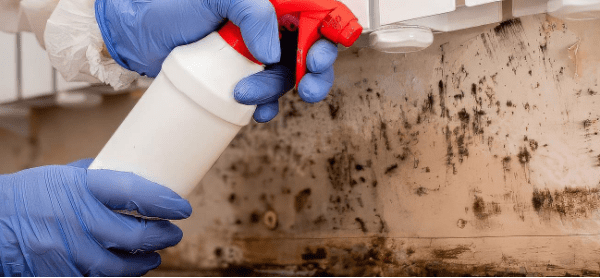
Essential Mould Removal Tips for a Cleaner, Healthier Living Space
Mould is a common yet serious problem affecting many homes and workplaces across Australia. It thrives in damp, humid environments and can grow quickly on walls, ceilings, furniture, and fabrics. Beyond its unpleasant appearance, mould can harm health, damage property, and compromise indoor air quality.
Whether you live in a coastal climate like the Gold Coast or elsewhere, understanding mould and learning effective ways to manage it are essential to maintaining a healthy indoor environment. This guide explores the causes of mould, its risks, and practical mould removal techniques that keep your living spaces clean and safe.
Understanding Mould: What It Is and Why It Grows
Mould is a fungus that reproduces through microscopic spores that float in the air. These spores can settle on surfaces and begin to grow when they encounter moisture, warmth, and limited airflow. Common household materials such as plasterboard, timber, and carpets provide suitable environments for mould to thrive.
Common Causes of Indoor Mould
Mould can develop in any building, but it is particularly common in humid coastal regions such as the Gold Coast. Typical causes include:
- Excess humidity: Humid climates increase the moisture content in indoor air, encouraging mould growth.
- Condensation: Warm, moist air meeting cool surfaces leads to condensation, especially in kitchens, bathrooms, and laundries.
- Leaking pipes or roofs: Slow leaks allow moisture to accumulate in walls, ceilings, and flooring.
- Poor ventilation: Lack of airflow traps moisture and allows it to settle on surfaces.
- Flooding or water damage: After flooding, moisture can remain in porous materials for long periods.
Identifying the source of excess moisture is the first and most important step in any effective mould removal process.
Health and Structural Risks of Mould
Ignoring mould growth can have serious consequences for both your health and property.
Health Risks
Exposure to mould spores can trigger allergic reactions, respiratory irritation, and other health problems. Those with asthma, allergies, or weakened immune systems are especially at risk. Common symptoms include:
- Persistent coughing and sneezing
- Itchy eyes, throat, or skin
- Nasal congestion
- Worsening asthma symptoms
Long-term exposure can exacerbate chronic respiratory conditions and lead to more severe health complications, especially in children and older adults.
Structural Damage
Mould damages more than air quality—it can weaken building materials and ruin interiors. It feeds on organic materials, breaking them down over time. Wood, plaster, and wallpaper can become stained, warped, or brittle. Left untreated, mould can compromise a property’s structure and reduce its value.
Why Professional Mould Removal Matters
Although small mould patches can sometimes be cleaned using household methods, larger or persistent outbreaks require professional help. Attempting to remove mould without proper precautions can worsen the problem by spreading spores throughout the home.
Professional mould removal services use specialised tools and cleaning solutions to identify and eliminate mould safely. Experts also locate the root cause of the issue—such as hidden leaks or high humidity—and treat it to prevent recurrence.
Benefits of Professional Mould Removal
- Comprehensive cleaning: Technicians remove both visible and hidden mould colonies.
- Improved air quality: Air filtration captures airborne spores during treatment.
- Prevention of re-growth: Addressing moisture sources stops mould from returning.
- Health protection: Safe handling methods reduce exposure to harmful spores.
- Expert diagnosis: Professionals identify long-term solutions rather than short-term fixes.
For property owners in humid climates, working with a qualified mould removal Gold Coast team ensures the process is effective and environmentally appropriate. Learn more about these services at Big Red Gold Coast.
Effective Mould Removal Techniques
If you’re tackling minor mould problems at home, a careful and methodical approach can help. However, it’s important to proceed safely and know when to call in professionals.
1. Identify the Source of Moisture
Before cleaning any mould, find and fix the moisture source. This could involve repairing leaks, improving ventilation, or using a dehumidifier. Without eliminating the cause, mould will return even after cleaning.
2. Contain the Affected Area
Seal off the contaminated area using plastic sheeting if the mould growth is significant. This prevents spores from spreading to other rooms during cleaning.
3. Use Safe Cleaning Solutions
Mild detergent mixed with warm water can remove small areas of mould on non-porous surfaces. Avoid using bleach on porous materials like wood or drywall, as it does not penetrate deeply enough to kill hidden spores.
4. Dry Thoroughly
After cleaning, ensure all surfaces are completely dry. Use fans, open windows, or dehumidifiers to speed up drying and prevent regrowth.
5. Dispose of Contaminated Materials
Severely affected carpets, insulation, or soft furnishings may need to be discarded. Mould-infested materials can be difficult to restore and may continue to release spores.
6. Monitor the Area
Regularly inspect previously affected areas to ensure mould has not returned. Persistent dampness may require a professional inspection or further remediation.
Preventing Future Mould Growth
Once mould has been removed, prevention becomes the main priority. A few consistent habits can make a significant difference in keeping your home mould-free.
1. Maintain Proper Ventilation
Good airflow reduces humidity and helps keep surfaces dry. Use exhaust fans in bathrooms and kitchens, open windows regularly, and avoid blocking air vents.
2. Reduce Indoor Humidity
Aim to keep indoor humidity levels between 30% and 50%. In the Gold Coast’s humid climate, using a dehumidifier can be particularly beneficial during the wet season.
3. Fix Leaks Quickly
Inspect pipes, roofs, and appliances regularly. Even minor leaks can create ideal conditions for mould if left untreated.
4. Insulate and Seal
Insulate walls, windows, and pipes to minimise condensation. Proper sealing prevents water from entering through small cracks or gaps.
5. Clean Regularly
Wipe down damp-prone areas, such as bathroom tiles and window sills, using mild cleaning solutions. Keeping surfaces dry prevents mould spores from taking hold.
6. Dry Wet Areas Immediately
After spills, leaks, or heavy rain, dry affected areas within 24 hours. Quick action prevents mould from establishing and spreading.
How Climate Affects Mould on the Gold Coast
The Gold Coast’s subtropical climate presents ideal conditions for mould growth. Warm temperatures and high humidity mean moisture often lingers indoors, particularly in areas with limited airflow.
Residents may notice mould forming more frequently during the summer months or after extended periods of rain. Using air conditioning, keeping ventilation consistent, and maintaining a regular cleaning routine are key to reducing these risks.
Professional mould removal Gold Coast specialists understand the region’s environmental challenges and use targeted strategies to manage humidity and moisture effectively.
When to Seek Professional Help
While preventive care is important, some situations require immediate professional intervention. You should contact a mould removal service if:
- Mould covers more than one square metre of surface area
- It appears repeatedly after cleaning
- You notice musty odours or unexplained dampness
- You’ve recently experienced flooding or water damage
- Anyone in the household shows allergic or respiratory symptoms
Professional remediation ensures the mould is removed safely, the air is purified, and the source of moisture is corrected. Attempting DIY solutions for large infestations can often spread spores further, worsening the problem.
The Long-Term Benefits of Mould Removal
Proper mould removal provides lasting advantages for both your health and property:
- Improved indoor air quality: Reducing airborne spores makes breathing easier and safer.
- Healthier living environment: Less mould means fewer allergens and irritants.
- Structural protection: Prevents rot, stains, and deterioration of materials.
- Increased property value: A clean, dry home is more appealing and structurally sound.
- Peace of mind: Knowing your home is free from hidden contamination enhances comfort and wellbeing.
Conclusion
Mould is more than just an unsightly problem—it’s a warning sign that moisture levels in your home need attention. Addressing the issue early through effective mould removal techniques protects your health, preserves your property, and prevents long-term damage.
For residents in humid regions like the Gold Coast, proactive maintenance, regular inspections, and professional guidance are key to managing mould effectively. When in doubt, seeking expert support from a reputable mould removal service ensures the problem is dealt with thoroughly and safely.
For more information or to learn about expert remediation methods, visit Big Red Gold Coastfor professional insight into keeping your home clean, dry, and healthy all year round.