


Emergency Mould Removal Services: What You Need to Know
Mould can sneak up when you least expect it. One day, your home feels fine, and the next, you’re hit with a damp, musty smell, black spots on your ceiling, and an itchy throat that just won’t quit. When that happens, you need to act fast.
Emergency mould removal isn’t just about scrubbing down walls or opening windows. It’s about stopping the spread, protecting your health, and restoring safety to your space—quickly and professionally.
In this guide, we’ll break down everything you need to know about emergency mould removal services, including what they offer, how to tell if you need one, and what to expect from mould removal specialists and mould cleaning Brisbane experts.
Why Emergency Mould Removal Matters
Delaying mould removal—even for a day—can have serious consequences. Mould spores multiply rapidly, especially in humid Australian climates like Brisbane. In just 24 to 48 hours, mould can spread from a damp bathroom corner to entire walls or air conditioning ducts.
The health effects are real, too. Respiratory problems, allergic reactions, and long-term lung conditions have all been linked to mould exposure. That’s why professional mould removal services act fast—and why so many Australians are turning to emergency support.
Common Signs You Need Emergency Mould Removal

Not every mould problem qualifies as an emergency, but if you notice any of these red flags, don’t wait:
- Sudden flooding or water leaks (roof, plumbing, storm damage)
- Visible black or green patches growing quickly on ceilings or walls
- Persistent musty odour in closed areas like cupboards or under sinks
- Health symptoms like wheezing, headaches, or skin rashes without clear cause
- High humidity indoors, especially in poorly ventilated areas
These conditions demand professional attention—not DIY cleaning.
What Emergency Mould Removal Services Include
When you contact a mould removal specialist for urgent help, here’s what you can expect:
1. Rapid On-Site Assessment
Experts will quickly inspect affected areas, identify the extent of the spread, and detect hidden mould with tools like moisture meters or thermal imaging cameras.
2. Containment
Before cleaning begins, the area is sealed off to prevent mould spores from spreading to other rooms.
3. Safe Mould Removal & Disposal
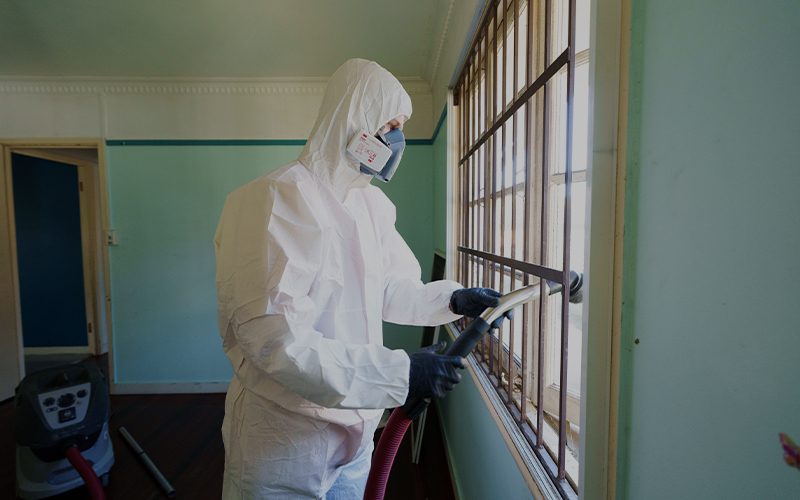
Using commercial-grade cleaning agents, HEPA vacuums, and industry-standard equipment, professionals remove all visible mould and clean porous materials when possible.
4. Air Filtration
High-efficiency air scrubbers are often used to trap airborne spores and improve indoor air quality.
5. Post-Removal Testing (if required)
Some mould removal services include post-cleaning air or surface tests to verify that your space is clear.
6. Preventive Advice
You’ll receive recommendations on how to keep the area dry and mould-free long-term.
Why Use Professional Mould Removal Services?
Hiring mould removal specialists means faster, safer results. Unlike general cleaners, certified specialists follow strict safety protocols and know how to remove mould without making the problem worse.
They don’t just clean—they decontaminate. They understand Brisbane’s unique humidity and building conditions. Most importantly, they focus on the cause, not just the surface.
How Mould Cleaning Brisbane Experts Handle Emergencies
Brisbane’s subtropical weather creates the perfect breeding ground for mould, especially after summer storms or long rainy spells. That’s why local mould cleaning services are equipped for fast turnarounds.
Many offer:
- Same-day or 24-hour emergency response
- Services for homes, apartments, commercial and rental properties
- Experience dealing with flood-related mould issues
Cost of Emergency Mould Removal
Prices vary based on the size of the affected area, type of mould, urgency, and structural damage. In general, emergency services may cost more than routine remediation, but the value of prompt action is clear when health and property are at risk.
Ask for a quote upfront and make sure it includes inspection, cleaning, and any testing or reporting.
Can Insurance Cover Emergency Mould Removal?
In some cases, yes. If mould results from a covered incident (like storm damage or burst pipes), your insurance may help. Always check your policy and document the damage as soon as you spot it.
DIY vs. Emergency Services: What’s the Risk?
Using vinegar or bleach might work for minor surface spots, but emergency situations require more than surface-level fixes. DIY jobs can miss hidden mould, disrupt spores into the air, and delay full treatment.
If your family’s health or your property’s structure is at risk, it’s time to call in the professionals.
Final Thoughts
Emergency mould problems aren’t just stressful—they’re dangerous. Acting quickly with the help of trained mould removal specialists is the safest and most effective way to protect your home and your health.
If you’re dealing with fast-spreading mould or post-storm damage, don’t wait for it to get worse. Emergency mould removal services are designed to respond quickly, clean thoroughly, and leave your home safe.
Need urgent help? Contact Big Red Gold Coast today for certified emergency mould removal services. Fast response, professional care, and real results—trusted by Brisbane residents and beyond.
Visit www.bigredgoldcoast.com.au or call 1300 246 733 to book a rapid-response inspection now.
Frequently Asked Questions (FAQ)
How fast can emergency mould removal start after I call?
Big Red Gold Coast aims to respond within 24 hours for emergency cases across Brisbane and surrounding areas.
Can mould come back after emergency removal?
If the moisture source isn’t fixed, mould can return. That’s why Big Red includes prevention tips and cause identification in every job.
Is emergency mould removal safe for children and pets?
Yes. Big Red uses industry-safe methods and containment to protect your home during the process.
Do I need to leave my house during the mould removal?
In some cases, yes—especially for large infestations. Our team will advise based on the severity and safety of the job.
What if I’m renting? Who’s responsible for emergency mould cleaning?
Responsibility depends on the cause. Tenants should report the issue immediately, while landlords are typically responsible for structural-related causes.