


- March 26, 2026
- Water Damage Restoration
Water Damage & Mould Growth: How Fast Mould Starts After a Leak or Flood
Water damage doesn’t just affect floors and walls — it can create an ideal environment for mould to begin growing, sometimes within 24–48 hours of exposure to moisture. For homeowners and property managers in Brisbane, understanding how fast mould starts after a leak or flood is essential to protect health, indoor air quality, and structural integrity. At Big Red Gold Coast, we deliver specialised water damage restoration in brisbane and effective mould removal brisbane services that respond to water events with speed, expertise, and care. This article breaks down the timeline of mould development, key risk factors, how professionals assess mould risk, and prevention strategies you can use immediately after water damage occurs.
This timeline underscores why immediate action is critical after water events. A delay can lead to costly cleanup, increased health risks, and structural issues.
Why Time Matters: The Speed of Mould Growth
What Causes Mould to Grow?
Mould is a type of fungus that thrives in moist, organic material. After a plumbing leak, roof leak, flood, or even high humidity, water can saturate building materials like drywall, timber, carpets, and insulation. These become food sources for mould spores — which are always present in air — when moisture persists. Key factors influencing mould growth:- Amount of moisture
- Duration of wetness
- Material affected
- Temperature and humidity
- Airflow and ventilation
Timeline: Mould Growth After Water Damage
The speed at which mould grows depends on the above conditions. The following timeline shows typical development patterns:| Time After Water Exposure | What Happens |
| Within 24 hours | Materials absorb moisture; microbial growth begins at a microscopic level. |
| 24–48 hours | Visible mould colonies may start to form on porous surfaces. |
| 48–72 hours | Noticeable mould growth is likely, with staining and odour developing. |
| 3–7 days | Extensive mould spread can occur, especially in damp, dark, and warm spaces. |
| 1–2 weeks | Mould becomes established; remediation needs are more complex. |
How Water Damage Restoration Professionals Respond
Moisture Assessment
When you call for water damage restoration in brisbane, technicians begin by identifying moisture sources and tracking humidity levels. Specialists use tools such as:- Moisture meters
- Thermal imaging cameras
- Hygrometers
Water Extraction & Drying
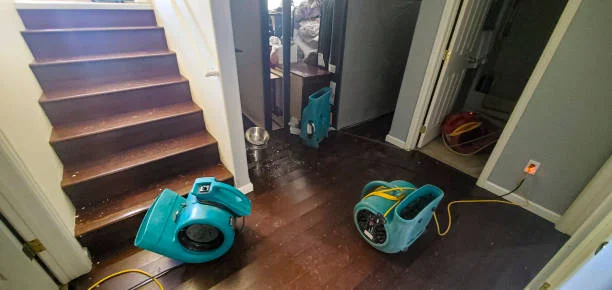
Water extraction and drying are core early steps. Professionals bring high-capacity pumps, industrial fans, and dehumidifiers to remove water quickly and reduce humidity. The goal is to avoid moisture stagnation, which is the key catalyst for mould.Cleaning & Sanitisation
Once the area is dry, surfaces may require cleaning to eliminate contaminants that could support mould development. If early signs of mould are present, a tailored mould removal brisbane approach is implemented using industry-approved techniques.The Link Between Water Events & Mould: Common Scenarios
Mould does not emerge randomly — it follows water exposure. Recognising common triggers in homes and commercial buildings helps with early detection and response.1. Plumbing Leaks
A slow pipe leak behind a wall can keep materials damp for weeks before visible signs appear. That extended wetness is enough for mould to take hold long before you notice it.2. Flooding
Storm floods bring large volumes of water into buildings. Even after surface water recedes, porous materials remain wet deeper inside. This scenario requires a comprehensive drying strategy.3. Roof or Window Leaks
Water entry from above can creep into ceilings and attic spaces, often going unnoticed until mould odour or stains appear.4. High Indoor Humidity
In subtropical climates like Brisbane, humidity can remain high after wet weather. Without proper ventilation and dehumidification, even small moisture events can elevate mould risk.Signs You May Have Mould After Water Damage
Not all mould growth is obvious at first. Look for these indicators:- Musty or earthy smell
- Stains or speckles on walls, ceilings, or floors
- Discolouration around damp areas
- Persistent respiratory irritation
- Allergy-like symptoms indoors
Prevention: What You Can Do Right After Water Damage
Acting quickly can reduce the chance that mould becomes a long-term problem.Immediate Steps
- Stop the source of water: Shut off leaking fixtures or valves.
- Ventilate the area: Open windows and use fans if weather permits.
- Remove standing water: Towels, mops, or wet/dry vacuums can help.
- Dry all materials within 24–48 hours: This is the most critical window.
Longer-Term Measures
- Maintain good air circulation
- Use dehumidifiers during humid seasons
- Repair leaks promptly and inspect vulnerable areas
Why Professional Intervention Matters
While quick DIY drying helps, professionals trained in water damage restoration in brisbane are equipped to:- Detect hidden moisture with specialised tools
- Safely handle porous materials prone to mould
- Determine the correct drying plan for varied surfaces
- Assess and mitigate mould risks early