


- December 14, 2025
- Mould Removal
Black Mould in Gold Coast Homes: Health Risks & Removal Guide
Many homes across the Gold Coast experience black mould because the climate stays warm and humid for much of the year. Mould can quickly impact air quality, damage materials and affect day-to-day living. This guide explains why black mould forms, the health risks you should be aware of and how mould removal in Gold Coast homes is carried out safely by trained professionals.
What Is Black Mould?
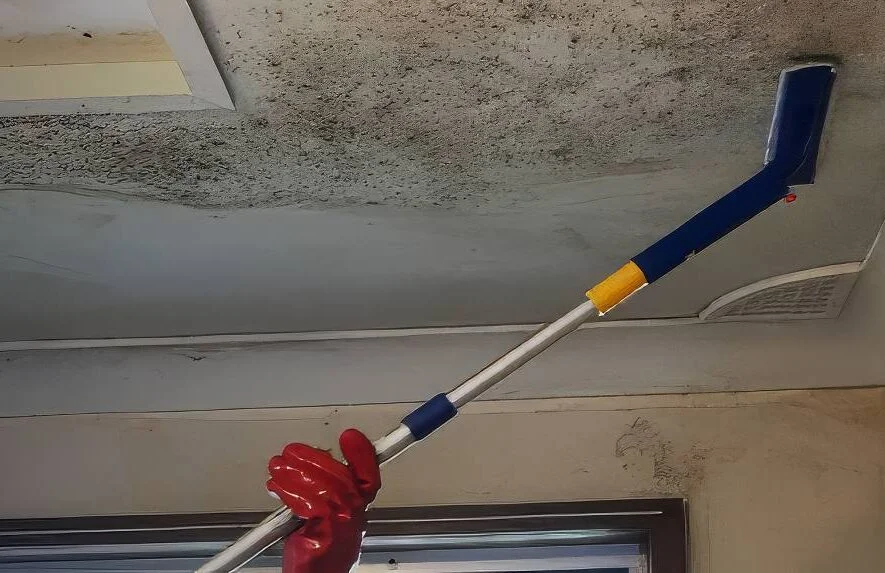
Black mould refers to a collection of mould species that appear dark green to black and thrive in damp areas. These fungi grow on surfaces that stay moist for long periods, especially in poorly ventilated rooms. In Gold Coast homes, mould tends to appear in bathrooms, laundries, ceilings, wall cavities and areas affected by water leaks.
Why Black Mould Is Common in Gold Coast Homes
Weather Conditions That Favour Mould Growth
The Gold Coast’s warm, moist climate provides ideal conditions for mould. High humidity, especially during wet seasons, means moisture lingers on surfaces longer than in drier regions. Even when homes are well maintained, the climate increases the likelihood of mould forming quickly.
Hidden Moisture Issues
Moisture from leaks, roof damage, blocked gutters or poorly insulated walls can remain unnoticed. These areas create pockets of dampness where mould can grow behind walls, under flooring and inside cupboards. This is why early detection is essential.
How Black Mould Spreads in the Home
Black mould releases tiny spores that travel through the air. These spores settle in areas with moisture and organic material, such as timber, plasterboard, fabric and dust. When the humidity rises or a small leak develops, spores begin to multiply. Without proper removal and moisture control, mould spreads to adjoining rooms and surfaces.
Health Risks Associated With Black Mould
Respiratory Irritation
Black mould can irritate the nose, throat and lungs. People may experience coughing, sneezing, congestion or irritated eyes. Those with asthma or respiratory conditions may be more sensitive to mould spores.
Allergic Reactions
Some individuals develop skin reactions or sinus irritation when exposed to mould. Headaches and fatigue may also occur in environments with poor indoor air quality.
Vulnerable Groups
Children, older adults and people with weakened immune systems may be more affected. Because mould grows quietly in hidden areas, prolonged exposure can occur without homeowners realising it.
Early Signs of Black Mould in Your Home
Spotting the early signs helps prevent a small issue from becoming widespread. Common indicators include:
- A musty or damp smell
- Dark spots on walls or ceilings
- Discolouration around window frames
- Peeling paint or bubbling surfaces
- Condensation on interior walls
- Persistent dampness in bathrooms or laundries
If you notice any of these signs, assessing the source of moisture should be your first step.
Common Causes of Black Mould in Gold Coast Homes
High Humidity
Humidity levels often sit above 60 percent in coastal regions. Mould thrives in humidity above this threshold.
Water Leaks
Even a slow leak from a pipe, appliance or roof can trigger mould growth within 24–48 hours.
Poor Ventilation
Bathrooms without exhaust fans, rooms with blocked vents and tightly sealed spaces can trap moisture.
Past Flooding or Water Damage
After storms or heavy rainfall, water may seep into materials and create long-term dampness if not properly dried.
The Importance of Professional Mould Removal
Removing mould safely requires more than surface cleaning. Professional services such as those offered at Big Red Gold Coast address both visible mould and underlying moisture issues.
Why DIY Cleaning Is Not Enough
Using everyday cleaning sprays can remove surface staining, but they often fail to kill mould at its roots. In some cases, improper cleaning can cause spores to spread further.
Proper Containment
Professionals use methods to prevent spores from travelling to other areas of the home during the removal process.
Moisture Source Identification
Long-term mould control depends on locating the cause of dampness. This may involve checking ventilation, plumbing or areas affected by condensation.
How Professionals Carry Out Mould Removal
Inspection and Assessment
The first step involves identifying where mould is growing and what materials have been affected.
Moisture Measurement
Special tools are used to measure moisture levels in walls, ceilings and flooring. This helps determine how widespread the issue is.
Safe Removal
Depending on the surface, removal may involve careful cleaning, drying or treating the affected materials while ensuring safety protocols are followed.
Prevention Recommendations
After removal, professionals explain how to stop mould from returning. This may include improving ventilation or addressing moisture-prone areas.
Steps Homeowners Can Take Before the Removal Process
While professional handling is recommended for large or hidden mould growth, homeowners can follow simple steps before the removal stage to help manage conditions.
Improve Ventilation
Opening windows when weather allows and using extraction fans helps reduce humidity.
Address Minor Moisture Sources
Drying wet surfaces and monitoring small drips can reduce immediate mould development.
Avoid Disturbing Mould
Scrubbing mould without the right methods can cause spores to spread, so it is best to avoid disturbing it.
Areas Most Affected by Mould in Gold Coast Properties
Bathrooms and Ensuites
High humidity, steam and water usage create ideal conditions.
Kitchens
Cooking steam sinks and poorly ventilated areas contribute to moisture buildup.
Bedrooms
Coastal air and limited airflow can lead to condensation around windows and wardrobes.
Laundries
Dryers, washing machines and damp clothing add moisture to the environment.
Roof Cavities
Leaks or inadequate insulation may cause mould in hidden roof spaces.
How to Prevent Black Mould in Gold Coast Homes
Maintain Good Ventilation
Using fans, opening windows and ensuring airflow helps reduce moisture.
Monitor Humidity Levels
A humidity level between 30% and 50% helps discourage mould growth.
Fix Leaks Promptly
Any plumbing or roof issue should be repaired as soon as possible.
Dry Wet Areas Quickly
Spills, wet rugs or condensation should be dried within 24 hours.
Keep Bathrooms Dry
Squeegeeing shower screens and tiles after use helps limit moisture.
Table: What Homeowners Can Do vs What Professionals Handle
| Task Type | Homeowner Actions | Professional Actions |
| Identifying mould | Spotting visible growth or musty smells | Full inspection, moisture readings |
| Cleaning | Basic surface drying | Safe mould removal and treatment |
| Moisture control | Using fans and ventilation | Detecting leaks, drying structural materials |
| Prevention | Keeping rooms dry | Long-term moisture management advice |
When to Call a Professional Service
If mould keeps returning after cleaning or if you see widespread growth, it is best to seek help. Strong odours, visible mould on ceilings or large dark patches also indicate that the issue may be deeper than surface level.
For larger problems, especially when moisture is trapped behind walls or ceilings, contacting the team at Big Red Gold Coast ensures the issue is managed safely and correctly.
Conclusion
Black mould is a common issue in Gold Coast homes due to the region’s humidity and moisture-prone conditions. Recognising the early signs, understanding the health risks and knowing how mould spreads all help homeowners respond quickly. Professional services provide safe and thorough removal, along with guidance on preventing mould from returning. If the situation becomes difficult to manage or you need support during the process, you can contact us today for further assistance.
FAQs
What causes black mould to develop inside a home?
Black mould grows in damp, poorly ventilated areas and is triggered by moisture from humidity, leaks or condensation.
How quickly can mould spread in the house?
Mould can begin developing within 24 to 48 hours when moisture is present, especially in hidden areas.
Can I clean black mould myself?
Small surface patches may be manageable, but widespread or recurring mould should be handled by professionals.
Does black mould always have a strong smell?
Not always. Some mould is noticeable through odour, while other types grow quietly without a strong scent.
What rooms are most likely to develop mould?
Bathrooms, laundries, kitchens, bedrooms and roof cavities are the most common areas in Gold Coast homes.