


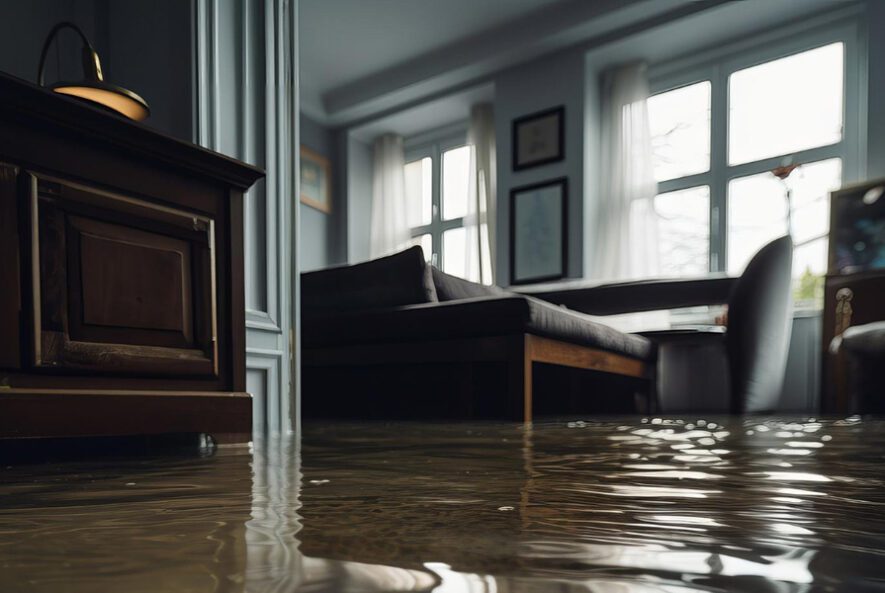
Wall and Ceiling Water Damage Repair: What Are Your Options?
It doesn’t take much—one burst pipe, a leaky roof, or a hidden crack—and suddenly your ceiling is sagging, and your wall has gone soft to the touch. Water damage can strike any part of your home, but walls and ceilings are often the most visibly impacted. When that happens, knowing your repair options is the first step toward restoring your space and peace of mind.
In this guide, we’ll break down how wall and ceiling water damage happens, your best options for water damage repair, and when it’s time to call in professional water damage services. Whether you’re facing minor staining or a full-blown collapse, there’s a repair path that fits your situation.
How Does Wall and Ceiling Water Damage Happen?

Water damage to walls and ceilings is typically caused by:
- Roof leaks
- Burst pipes or plumbing failures
- Overflowing baths, sinks, or showers
- Poor ventilation leading to condensation
- Flood damage from heavy rain or storm events
These sources allow water to seep into plaster, insulation, and timber. Over time, this moisture leads to structural weakening, stains, bubbling paint, mould growth, and in severe cases, collapse.
Assessing the Damage
The first step in any repair process is a proper inspection. Look for:
- Brown or yellow stains
- Peeling or bubbling paint
- Sagging ceiling sections
- Cracked drywall or plaster
- Mould patches or musty odours
If you see these signs, especially after a flood, it’s wise to bring in a licensed water damage company to assess the scope. They can use thermal imaging and moisture detection to identify hidden issues.
Wall Water Damage Repair Options
1. Drying and Dehumidifying
For early-stage or minor damage, drying the affected area using industrial-grade dehumidifiers and air movers can stop the problem before it spreads. This is often the first step in any professional water damage services plan.
2. Plaster or Drywall Patching
If the water hasn’t compromised structural integrity, you can patch and repaint sections of drywall or plaster. This typically follows a thorough drying process and mould inspection.
3. Insulation Replacement
In some cases, the water will saturate insulation inside the wall. Wet insulation needs to be removed and replaced—leaving it in place invites mould and reduces energy efficiency.
4. Full Wall Rebuild
For extensive damage, particularly if mould is present, the best course of action may involve removing and replacing entire sections of the wall. This approach allows for a complete reset and is common after serious flooding.
Ceiling Water Damage Repair Options
1. Ceiling Dry-Out and Stain Treatment
If you’ve caught the leak early, drying out the ceiling and treating any water stains with a stain-blocking primer may be enough. This is ideal for minor leaks from above.
2. Partial Panel Replacement
When a section of plasterboard or gyprock is sagging, you may be able to cut and replace just that section, then blend it into the existing ceiling with joint compound and paint.
3. Full Ceiling Restoration
If the ceiling is structurally compromised, bowed, or unsafe, it will need to be removed and replaced. This includes insulation and often rewiring for lights or fixtures. It’s a big job but essential for safety.
Why You Shouldn’t Delay Water Damage Repair
Ignoring water damage can lead to more than just ugly walls. Delays can:
- Increase repair costs as damage spreads
- Encourage toxic mould growth
- Weaken structural framing
- Affect indoor air quality and health
Acting early protects your investment and keeps your home safe.
When to Call a Professional Water Damage Company
DIY repairs can only go so far. If the damage:
- Covers more than one wall or room
- Involves ceilings or structural framing
- Is accompanied by a flood or sewage backup
- Includes visible mould or odours
…it’s time to bring in a professional. Certified water damage services offer detailed assessments, moisture mapping, and complete flood damage restoration.
Insurance and Repair Costs
In Australia, many home insurance policies cover sudden water damage (like from a burst pipe), but often exclude gradual leaks. Always check your policy and document damage early. Professional water damage companies can help with insurance reports and liaising with assessors.
Repair costs depend on:
- The extent of damage
- Type of materials affected (e.g., plaster vs gyprock)
- Labour and clean-up requirements
- Whether electrical or plumbing systems were impacted
Flood Damage Restoration and Large-Scale Repair
For homes affected by flooding, repairs go beyond surface-level fixes. Full flood damage restoration includes:
- Pumping out water
- Removing waterlogged materials
- Disinfecting and drying the site
- Rebuilding walls, ceilings, and insulation
- Ongoing monitoring for residual moisture or mould
This process should only be handled by experienced water damage repair specialists.
Final Thoughts
Wall and ceiling water damage doesn’t mean disaster—if you act fast. From stain treatment to structural rebuilds, you have a range of options depending on the severity of the issue.
Working with a trusted water damage company ensures the job is done right the first time, with safety and long-term protection in mind.
Need expert help repairing water damage in your home? Contact Big Red Gold Coast today to assess your situation and get a clear plan of action.
Don’t wait—book your inspection and stop the damage from spreading.
Frequently Asked Questions (FAQ)
Can I paint over water stains on the ceiling or wall?
Only after the area is completely dry and treated. Use a stain-blocking primer to prevent reappearance.
How long does water damage repair take?
Minor repairs can be done in a day or two, while larger restorations might take a week or more depending on drying time and material availability.
Is water damage always visible?
No. Hidden water can soak into insulation and studs. That’s why moisture meters and thermal cameras are often used.
Should I replace insulation after water damage?
Yes. Wet insulation loses effectiveness and can breed mould.
Can water damage return after repair?
Not if the source of the leak is fixed and the area is properly dried and sealed.